
Teen rehab Long Island programs
Teen rehab Long Island spans many levels of care, from weekly counseling to residential programs. Altogether, 43 SAMHSA-listed facilities serve teens and young people here. This guide helps you compare options and ask the right questions.
- programs in Long Island
- 43
- take Medicaid
- 43
Teen rehab Long Island means finding treatment built around a young person's daily life, not just a bed. Adolescents face pressures that adults do not: school schedules, family expectations, and peer influence all shape how care should work. A program designed for teens will involve parents or guardians, coordinate with schools, and use counseling suited to adolescents. The SAMHSA FindTreatment.gov listings show 43 facilities in this area that serve teens and young people, so families have real choices. When you start with a teen rehab Long Island search, then compare levels of care before choosing a program.
Most of these programs are outpatient, which means a teen can live at home and keep attending school while getting treatment. Outpatient care ranges from a few sessions a week to intensive programs that meet several times weekly. Residential care, where a young person stays at the facility, is much rarer here: only two SAMHSA-listed residential options appear for this group. If a teen needs 24-hour supervision, then the small number of residential beds on Long Island may mean calling several programs early. The right level depends on safety, withdrawal risk, and how much structure the teen needs.

Teen rehab Long Island SAMHSA counts
SAMHSA FindTreatment.gov lists 83 facilities of all kinds on Long Island, and 43 of them serve teens and young people specifically. Of those 43, 2 are residential and 40 are outpatient. All 43 accept Medicaid and private insurance, according to the listings. For families searching for teen rehab Long Island, the 40 outpatient programs offer the most scheduling flexibility. The two residential programs may have limited availability, so it helps to call ahead. If you need to check coverage, then ask each program directly about Medicaid and private insurance, since listings can change. When you compare centers, then use the SAMHSA listing as a starting point, but verify details with the program. If a young person is covered by New York's Medicaid program, then confirm the program is in network before scheduling an assessment.
- take Medicaid
- 43
- take private insurance
- 43
- take Medicare
- 30
- sliding-scale pricing available
- 31
| Name | Town | Offers | Accepts |
|---|---|---|---|
| Family Res and Esst Enterprises | Oakdale | Outpatient | Medicaid, Medicare, Insurance, Sliding fee |
| YMCA Family Services | Holtsville | IOP, Outpatient | Medicaid, Medicare, Insurance, Sliding fee |
| Addiction Recovery Services | Smithtown | Outpatient | Medicaid, Medicare, Insurance, Sliding fee |
| Town of Smithtown | Smithtown | Outpatient | Medicaid, Medicare, Insurance, Sliding fee |
| Outreach Development Corporation | Brentwood | Residential | Medicaid, Insurance |
| Seafield Services Inc | Patchogue | IOP, Outpatient | Medicaid, Insurance, Sliding fee |
| Family Servs League of Suffolk County | Bay Shore | IOP, Outpatient | Medicaid, Medicare, Insurance, Sliding fee |
| Seafield Services Inc | Medford | IOP, Outpatient | Medicaid, Insurance |
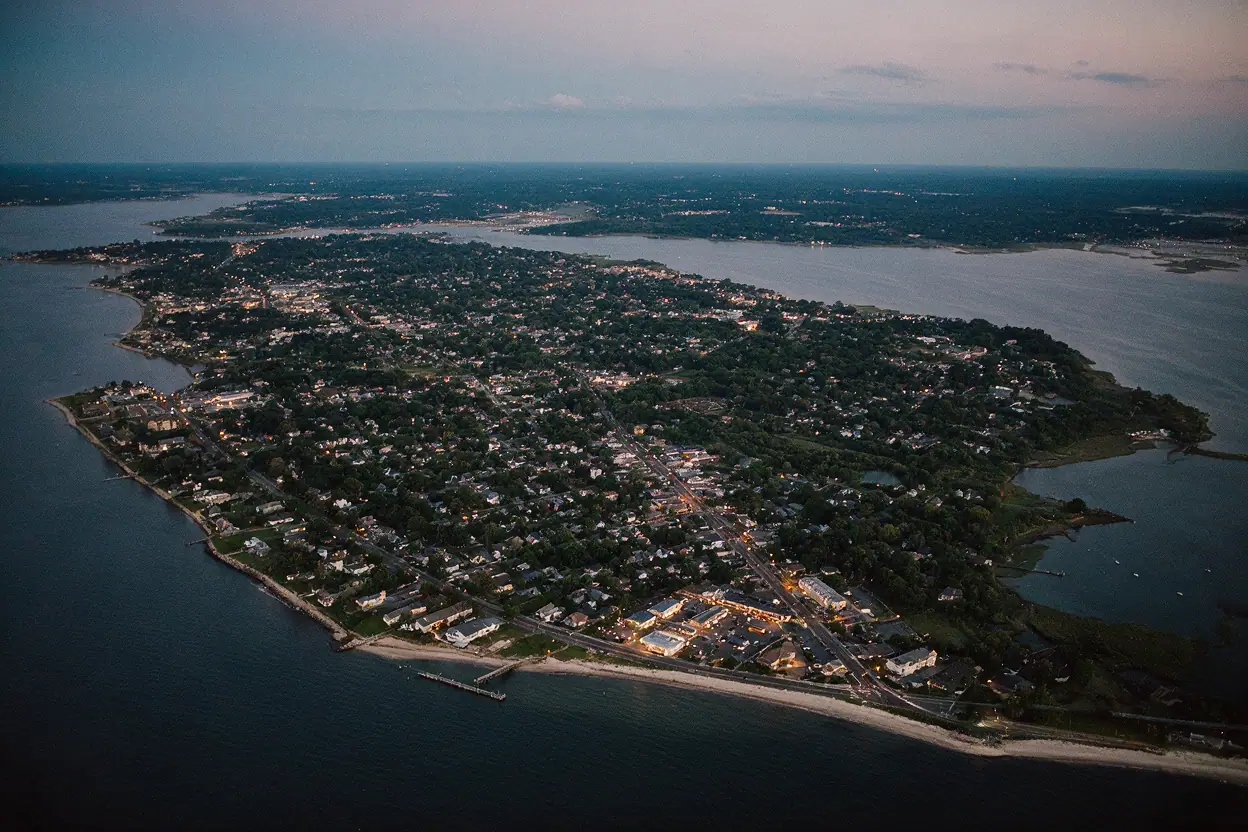
Questions for a teen treatment program
- How does the program involve parents or guardians in treatment planning and family sessions?
- What educational support is available, and how does the program coordinate with the teen's school?
- How does the program assess withdrawal risk, especially for alcohol or benzodiazepines, and what medical supervision is provided?
- Does this program take Medicaid or private insurance, and which documents are required to confirm coverage?
How teen rehab Long Island differs
Programs built for adolescents address developmental and social needs that adult rehab does not. A teen-focused program usually includes family therapy, educational support, and counseling that speaks to adolescent experience. The 43 SAMHSA-listed facilities for teens and young people on Long Island include both outpatient and residential options, so families can match the level of care to the situation. For teen rehab Long Island families comparing centers, then ask how parents are included in treatment planning from the first week.
When a teen needs structured care, a residential program can provide 24-hour support for a limited time. Only two residential facilities are listed here, so families often consider outpatient programs first or look beyond the immediate area. If a young person is at risk of withdrawal from alcohol or benzodiazepines, clinician oversight matters, and a program should be able to assess that risk before treatment starts. When insurance or Medicaid is a concern, all 43 listed programs accept both, according to SAMHSA listings. When you compare rehabs on Long Island, confirm that the program actually treats adolescents, since adult centers may not accept minors.
Good to know
What is teen rehab Long Island and how many programs are available?
Teen rehab Long Island refers to treatment programs designed for adolescents and young adults. SAMHSA FindTreatment.gov lists 43 facilities in the area that serve this group, including 2 residential and 40 outpatient programs. All 43 accept Medicaid and private insurance. The right program depends on the level of care needed and the young person's individual situation. If you are unsure where to start, calling the free helpline can help you narrow the list.
Does Long Island have a drug problem?
Substance use problems affect Long Island much as they affect other communities, and help is available. SAMHSA lists 83 facilities of all types on Long Island, and 43 of them serve teens and young people. When a young person is on your mind, calling the free helpline can bring the options into focus. Referral specialists linked to licensed treatment programs answer that line. On the call, you can ask about outpatient and residential programs alike.
What is the Intensive Outpatient Program (IOP) on Long Island?
An Intensive Outpatient Program (IOP) offers structured treatment several times a week while the teen lives at home. Of the 40 outpatient programs listed for teens and young people on Long Island, some may offer IOP-level care. If a teen needs more support than weekly counseling but does not require residential care, then an IOP can be a good fit. Ask each program about its schedule and services. If school hours conflict, then ask whether the program offers evening or afternoon sessions.
How much is 28 days in rehab for teens on Long Island?
Prices differ a great deal between programs and levels of care, and this site does not include them. Every one of the 43 Services for teens and adolescents were listed by SAMHSA on Long Island takes Medicaid and private insurance, which could lower what you pay yourself. If you have insurance, phone the number on your card and ask about coverage for teen rehab. The helpline can also assist you in thinking through financial choices. Ask any program for a written estimate before you make a commitment.
What is a residential treatment facility for teens?
A residential treatment facility provides round the clock care in a residential setting. For teens and young people on Long Island, SAMHSA lists just 2 residential facilities. Residential care may be appropriate when a young person needs constant supervision or has not responded to outpatient treatment. If you are considering residential care, ask about family involvement, schooling, and length of stay. When you check a program, confirm whether it is licensed and how it handles medical needs.
Next step for teen rehab on Long Island
If you are assisting a young person in looking for treatment, the free helpline is answered 24/7. Advisors can walk you through the 43 SAMHSA listed treatment options for young people and teens, including 40 outpatient and 2 residential options. Calls remain private and nothing is demanded of you. On the call, you can ask about insurance, Medicaid, and what to expect. Comparing rehabs on Long Island? The helpline can help you get questions ready for each program. The helpline does not give medical advice or diagnose; it connects you with referral specialists who are linked to licensed treatment programs.