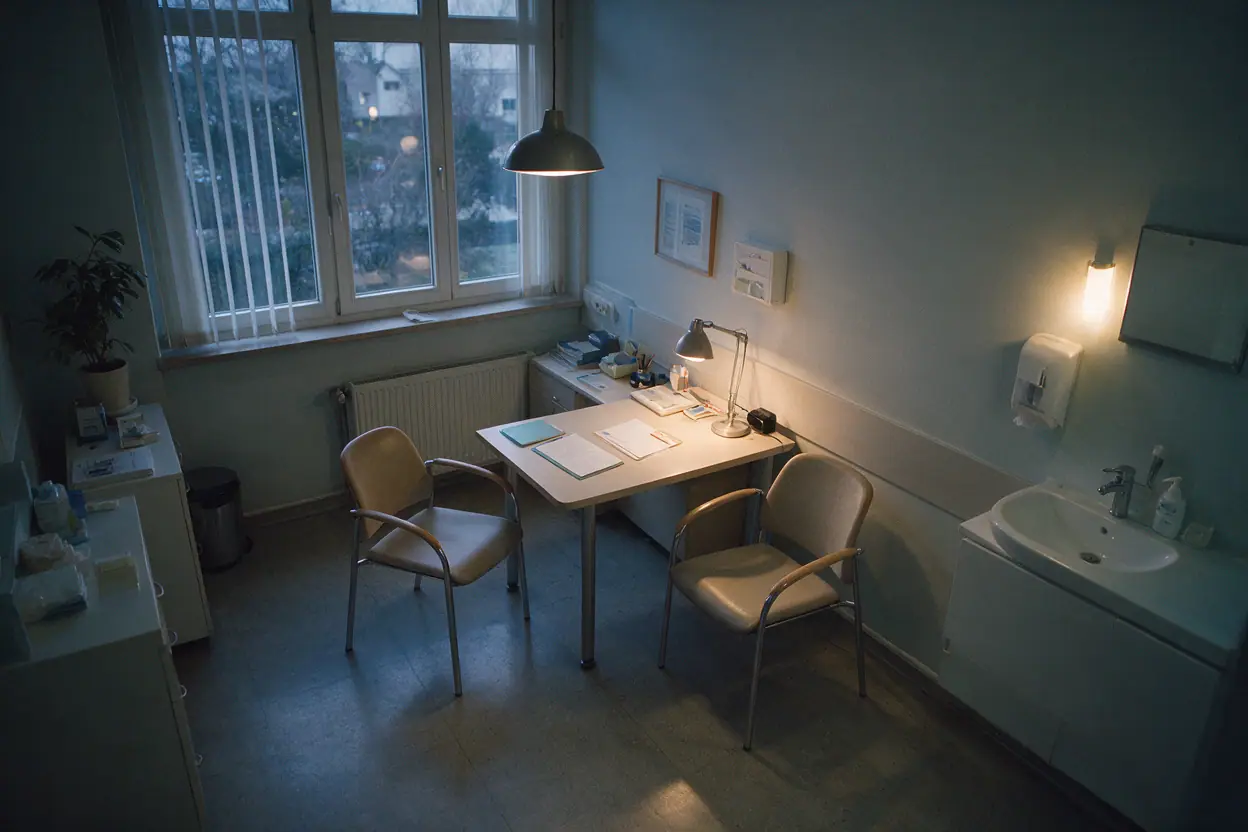
suboxone clinic Long Island
A Suboxone clinic on Long Island is one path to medication for opioid use disorder. SAMHSA lists 75 facilities in this area that provide medication treatment, and 17 of those also run detox. This guide covers who it suits, what a day looks like, and how to check payment before calling.
- programs in Long Island
- 75
- take Medicaid
- 71
- take private insurance
- 67
A Suboxone clinic is a setting where a licensed prescriber orders buprenorphine, frequently combined with naloxone, to reduce cravings and withdrawal for people with opioid use disorder. Across Long Island, 75 facilities listed by SAMHSA provide medication for opioid use disorder, and many combine it with counseling. A usual day could involve a short check-in with a nurse or prescriber, a counseling session, and a drug test. Some programs want you to attend several times weekly at the start, then less frequently as you stabilize. Medication is one part of treatment rather than a replacement for it, and the plan is set by your prescriber.
Suboxone clinics a Long Island resident comes across do not all operate alike. Some are outpatient only; others sit inside a larger rehab with detox and residential beds. Among the 75 facilities listed for medication, 58 provide dual diagnosis care and 63 provide telehealth, so some follow-up visits might be partly remote. If you are unsure whether detox comes first, ask. Stopping alcohol and benzodiazepines can be dangerous, and opioid withdrawal, though rarely fatal, is hard to manage on your own. A clinician should closely oversee withdrawal care, and the clinic ought to explain what to expect without offering tapering or dosing advice by phone.
At a suboxone clinic, what to expect
- 1
Intake and assessment
Expect questions about what substances you use, your medical background, and any mental health diagnoses. A drug screen is probable, and staff will likely discuss how risky withdrawal could be for you. If you also drink heavily or take benzodiazepines, say so, because coming off those can be hazardous and a clinician may need to watch over it before treatment starts.
- 2
Meeting the prescriber
A licensed prescriber decides whether buprenorphine is appropriate and explains how it is started. The clinic should tell you what to expect in the first days without giving dosing or tapering instructions over the phone. Ask who to call after hours if you feel unwell.
- 3
Counseling and schedule
Most programs combine medication with counseling. Early visits may be weekly or more often, then spread out as you stabilize. Among the 75 medication-listed facilities, 63 offer telehealth, which can make follow-ups easier if work or childcare gets in the way.
- 4
Ongoing review and payment
The program reviews your progress and adjusts the plan with you. Before you start, confirm what your insurance covers and whether the program takes Medicaid or offers a sliding fee. If coverage changes, ask how the program handles it so you are not caught off guard.


How many clinics and what they accept
On Long Island, 75 of the 83 SAMHSA-listed facilities provide medication for opioid use disorder, including buprenorphine products such as Suboxone. The listings also show each program's accepted payment: 71 take Medicaid, 67 take private insurance, 47 take Medicare, and 45 offer a sliding fee scale. That matters, because whether care is affordable is often the first question people ask. If Medicaid is your coverage, start with programs that take it; without insurance, ask about sliding fees before you book an appointment.
Location shapes the choice too. A suboxone clinic on the western end of the island may be a short drive from Queens or Brooklyn, while eastern Suffolk programs can be far apart. Telehealth helps: 63 of the medication-listed facilities offer it, and 36 offer services in Spanish. If transportation is a barrier, or if you need a program that can speak with you in Spanish, say so when you call. The helpline can narrow the list by payment, language, and whether the program also offers detox or outpatient rehab nearby.
- take Medicaid
- 71
- take private insurance
- 67
- take Medicare
- 47
- sliding-scale pricing available
- 45
| Name | Town | Offers | Accepts |
|---|---|---|---|
| Community Counseling Services of | Ronkonkoma | Outpatient | Medicaid, Insurance, Sliding fee |
| Talbot House | Bohemia | Detox, Residential | Medicaid |
| Phoenix House | Ronkonkoma | Residential | Medicaid, Medicare, Insurance, Sliding fee |
| Family Res and Esst Enterprises | Oakdale | Outpatient | Medicaid, Medicare, Insurance, Sliding fee |
| YMCA Family Services | Holtsville | IOP, Outpatient | Medicaid, Medicare, Insurance, Sliding fee |
| Employee Assistance Resource Servs Inc | Smithtown | Detox, IOP, Outpatient | Medicaid, Medicare, Insurance |
| Addiction Recovery Services | Smithtown | Outpatient | Medicaid, Medicare, Insurance, Sliding fee |
| Town of Smithtown | Smithtown | Outpatient | Medicaid, Medicare, Insurance, Sliding fee |
| Outreach Development Corporation | Brentwood | Outpatient | Medicaid, Medicare, Insurance, Sliding fee |
| Victory Recovery Partners | Farmingville | IOP, Outpatient | Medicaid, Medicare, Insurance |
Covering the cost of suboxone
Prices vary by program, by your coverage, and by how often you go, so request a written estimate before you start. Among the 75 facilities offering medication treatment, 71 accept Medicaid, 67 accept private insurance, 47 accept Medicare, and 45 have a sliding fee scale. A KFF status report dated October 16, 2026 notes that New York has implemented Medicaid expansion so more adults May qualify than they expect. Most plans must cover substance use care under federal parity rules just as they cover medical care; if you are denied, ask for the reason in writing. The helpline is free of charge and keeps what you share private, and calling does not bind you to any program.
Who suboxone treatment fits
- Adults with opioid use disorder who want medication to ease cravings and withdrawal while they work on counseling and daily routines.
- People who have tried quitting without medication and keep going back to use, particularly when withdrawal makes it hard to hold a job or care for family.
- Those who need a structured outpatient schedule rather than 24-hour residential care, including people who can attend visits several times a week.
- Those dealing with a co-occurring mental health condition have a reason to ask, since 58 of the 75 medication-listed programs provide dual diagnosis care.
Good to know
What does a suboxone clinic on Long Island do?
It provides medication for opioid use disorder, usually buprenorphine, along with counseling and monitoring. On Long Island, 75 SAMHSA-listed facilities offer this kind of medication treatment. The prescriber decides whether it is right for you after an assessment. The clinic should explain the schedule and what to do if you feel unwell, but it will not give tapering advice over the phone.
How many suboxone clinics are on Long Island?
SAMHSA lists 75 Long Island facilities providing medication for opioid use disorder, buprenorphine among them. Within that group, 58 provide dual diagnosis care, 63 provide telehealth, and 36 provide services in Spanish. Listings do change, so verify the details with the program before you go.
Does Medicaid cover suboxone treatment on Long Island?
Many programs do accept Medicaid: 71 of the 75 medication-listed facilities. New York has adopted Medicaid expansion, so eligibility may be broader than you think. Ask the program directly and confirm whether the prescriber and counseling are both covered. If you are uninsured, 45 programs offer a sliding fee scale.
Do I need detox before starting suboxone?
Not always. Some people start medication without formal detox, while others need medical supervision first, especially if they also drink heavily or use benzodiazepines. On Long Island, 17 of the 83 listed facilities offer medical detox. A prescriber can tell you what is appropriate after an assessment. Do not stop alcohol or benzodiazepines suddenly on your own.
Can I get suboxone through telehealth on Long Island?
Often, yes. Among the 75 medication-listed facilities, 63 offer telehealth. Some visits may be remote, but most programs still require in-person contact at the start and for drug testing. Ask how the program handles prescriptions and whether you need to be on Long Island for the visit.
What if I have private insurance or Medicare?
Of the programs listed for medication, 67 accept private insurance and 47 take Medicare. Coverage varies from plan to plan, so contact the number shown on your insurance card and ask which behavioral health benefits apply to you. Federal parity rules generally require most plans to cover substance use care the same way they cover medical care. If a claim is denied, ask for the reason in writing.
Free Long Island helpline, 24/7
If you are considering a Suboxone clinic on Long Island, one short call can be the next concrete step. Trained advisors staff the helpline 24/7 and connect callers with licensed providers. The call is free and confidential and carries no strings attached, and admission or coverage is never promised. They can help you compare programs by payment, location, and whether detox or dual diagnosis care is offered. If you can, keep your insurance card nearby, and ask what to bring to the first visit.