
Inpatient rehab Long Island
Inpatient rehab Long Island means 24-hour care in a licensed residential setting. SAMHSA FindTreatment.gov lists 17 inpatient or residential programs across Long Island as of November 2026. This guide explains who fits, what a day is like, and how payment works.
- programs in Long Island
- 17
- take Medicaid
- 14
- take private insurance
- 10
Inpatient rehab Long Island programs provide supervised care around the clock in a residential setting. That means meals, a bed, nursing observation when needed, and a daily schedule of individual and group therapy. Some programs offer structured inpatient care for substance use; others specialize in mental health conditions that occur alongside addiction. Length of stay varies with need and clinical recommendation, not a fixed number. A day typically starts with breakfast and a check-in, then moves through group sessions, a counseling appointment, and evening programming. Free time is scheduled, not open-ended.
Long island rehab centers often combine inpatient and outpatient services on one campus. That can smooth the move from residential care to intensive outpatient (IOP). SAMHSA-listed facilities on the island include 17 that offer inpatient or residential care, 26 that run IOP, and 65 that provide outpatient rehab. Some people step down from inpatient to IOP locally rather than starting over. Staff will explain the schedule and rules before admission, and families can ask what visits and calls are allowed.
What to expect from inpatient care
- 1
A clinical assessment
Staff ask about substance use, health history, and mental health symptoms. This is a diagnosis process, not a test. It helps determine the right level of care and whether medical detox is needed first.
- 2
Admission and orientation
You learn the schedule, rules, and who to contact. Belongings are reviewed. If you take medication, a nurse or prescriber manages it; do not change doses on your own.
- 3
Daily structure and treatment
Days include group therapy, individual counseling, and possibly family sessions. Some programs offer dual diagnosis groups. Expect a mix of short breaks and longer therapy blocks, with evening programming.
- 4
Discharge planning
Before you leave, staff help arrange follow-up care, which may be IOP or outpatient rehab nearby. Ask for a written plan with appointment times and medication instructions.

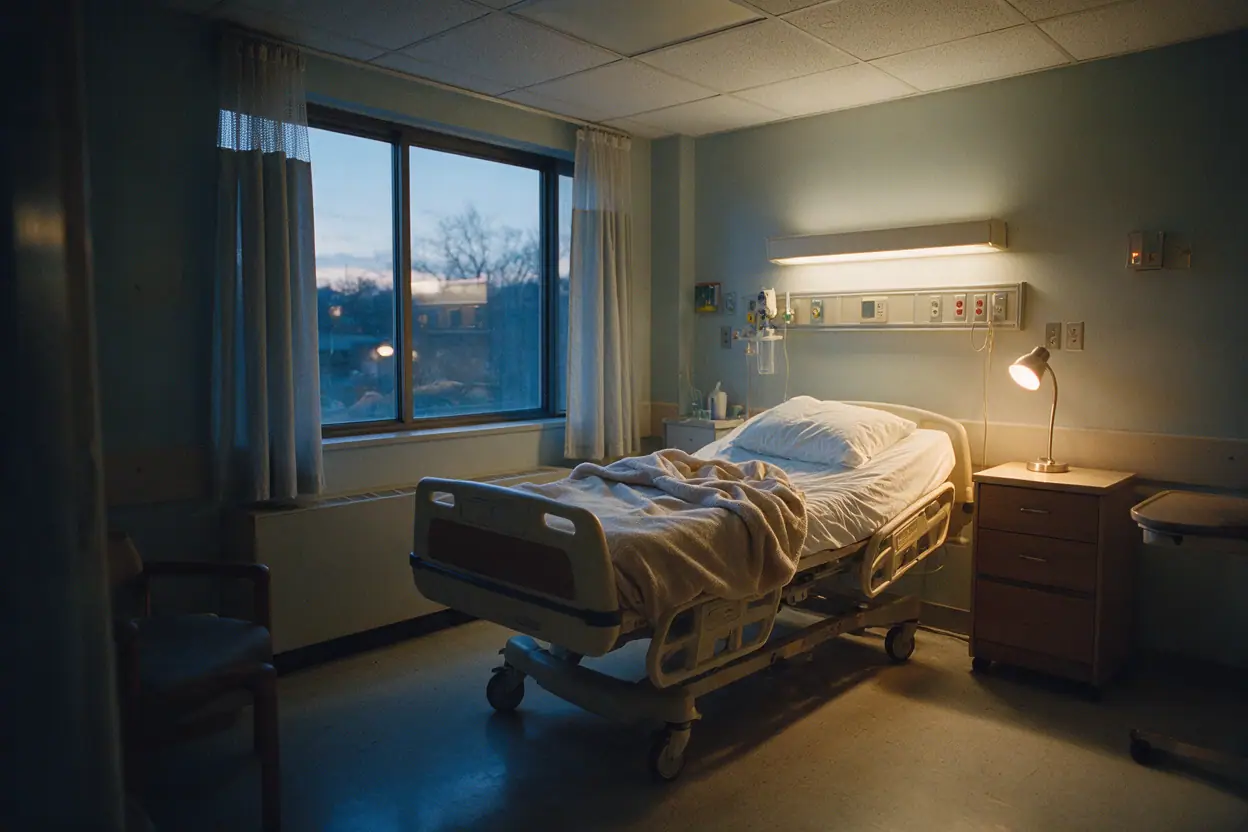
Long Island inpatient facilities
Seventeen SAMHSA-listed facilities on Long Island offer inpatient or residential rehab as of November 2026. Of those, 14 accept Medicaid, 10 accept private insurance, 3 accept Medicare, and 3 offer a sliding fee scale. Two offer services in Spanish and 6 offer telehealth for some services. The total count of 83 SAMHSA-listed facilities across the island covers every level of care, from detox to outpatient.
If Medicaid is how you would pay, 14 of those 17 inpatient programs are listed as accepting it. Because New York took part in Medicaid expansion, more adults may be eligible than they expect. Paying through private insurance rather than Medicaid? Then 10 programs take it, and federal parity law generally means most plans must treat substance use care a lot like they treat medical care. Give the number a call, and an advisor can check which programs line up with your plan and where you live.
- take Medicaid
- 14
- take private insurance
- 10
- take Medicare
- 3
- sliding-scale pricing available
- 3
| Name | Town | Offers | Accepts |
|---|---|---|---|
| Talbot House | Bohemia | Detox, Residential | Medicaid |
| Phoenix House | Ronkonkoma | Residential | Medicaid, Medicare, Insurance, Sliding fee |
| Outreach Development Corporation | Brentwood | Residential | Medicaid, Insurance |
| Outreach Recovery Res for Women | Brentwood | Residential | Medicaid |
| Outreach Development Corporation RR | Brentwood | Residential | Medicaid, Medicare |
| Charles K Post Addiction Treatment Ctr | Brentwood | Residential | Medicaid, Insurance, Sliding fee |
| NYS OASAS Charles K Post ATC RRi | Brentwood | Residential | Medicaid, Insurance |
| Northport VAMC | Northport | Residential, IOP, Outpatient | — |
| Wellbridge Stabilization Program | Calverton | Detox, Residential | Insurance |
| Wellbridge Rehabilitation Program | Calverton | Residential | Insurance |
Paying for inpatient rehab
Fourteen inpatient programs listed by SAMHSA on Long Island take Medicaid, and 10 take private insurance. Three take Medicare, and three have sliding fees. The helpline costs nothing and keeps things private, and calling obligates you to nothing. An advisor can say which programs accept your coverage; they cannot promise admission or that your plan will pay. If money is a barrier, ask about sliding fee scales. New York's Medicaid program may cover residential treatment for those who qualify. For insurance, phone the behavioral health line on your plan and ask about prior authorization.

Who inpatient rehab on Long Island fits
- People who need a clinician watching during withdrawal. Discontinuing alcohol and benzodiazepines can be harmful so medical supervision is important; inpatient settings provide 24-hour observation.
- People whose home environment makes early recovery hard. A structured residential setting removes daily triggers and offers a steady routine.
- People with a dual diagnosis. Nine of the 17 SAMHSA-listed inpatient programs on Long Island offer dual diagnosis services, so substance use and mental health services can be coordinated.
- People stepping down from detox or stepping up from outpatient. If outpatient care has not been enough, a residential program can provide more structure.
Good to know
What is inpatient rehab Long Island?
Inpatient rehab Long Island refers to 24-hour residential care for substance use disorders. SAMHSA FindTreatment.gov lists 17 inpatient or residential programs across Long Island as of November 2026. Care includes therapy, medical oversight, and a structured daily schedule, with length of stay set by clinical need.
How much does 28 days in rehab cost on Long Island?
What a program charges varies by program and hinges on your insurance. This site does not list prices. Of the 17 SAMHSA-listed inpatient programs on Long Island, 14 take Medicaid, 10 take private insurance, and 3 offer sliding fees. Call the helpline with questions about coverage and sliding scales; the call is free and obligates you to nothing.
Does Long Island have a drug problem?
Per SAMHSA listings, Long Island offers a full continuum of care, with 17 detox programs and 75 facilities that provide medication for opioid use disorder. Those figures show that help exists close to home. If you or someone you know needs help, the 24/7 helpline is free, and a call means a confidential conversation.
What does a residential treatment facility mean?
A residential treatment facility provides housing and treatment together. On Long Island, 17 SAMHSA-listed programs offer inpatient or residential care. You live on site while receiving therapy and support. It is not a hotel or a lock-down; it is a clinical setting with rules and a schedule.
Is detox available before inpatient rehab on Long Island?
Yes, that is the count. SAMHSA lists 17 detox programs across Long Island. Medical detox may be needed before residential care, especially for withdrawal from alcohol or benzodiazepines, which can be dangerous. A clinician should be the one overseeing that process. An advisor can help you find a program where detox and inpatient care work together.
What is life like after inpatient rehab on Long Island?
After inpatient care, many people step down to intensive outpatient (IOP) or outpatient rehab. Long Island has 26 IOP programs and 65 outpatient rehab facilities listed by SAMHSA. Follow-up may include therapy, medication management, and peer support. Ask for a discharge plan before you leave.
Your next step for inpatient care
The 24/7 helpline costs nothing to call, and a treatment advisor will talk with you. They can walk through levels of care, check which of Long Island's 17 inpatient programs on the SAMHSA list match your insurance or Medicaid, and help you pin down the next concrete step. Whatever you share stays private, and calling commits you to nothing; admission or coverage can't be promised by anyone, but you will end the call with clearer choices.