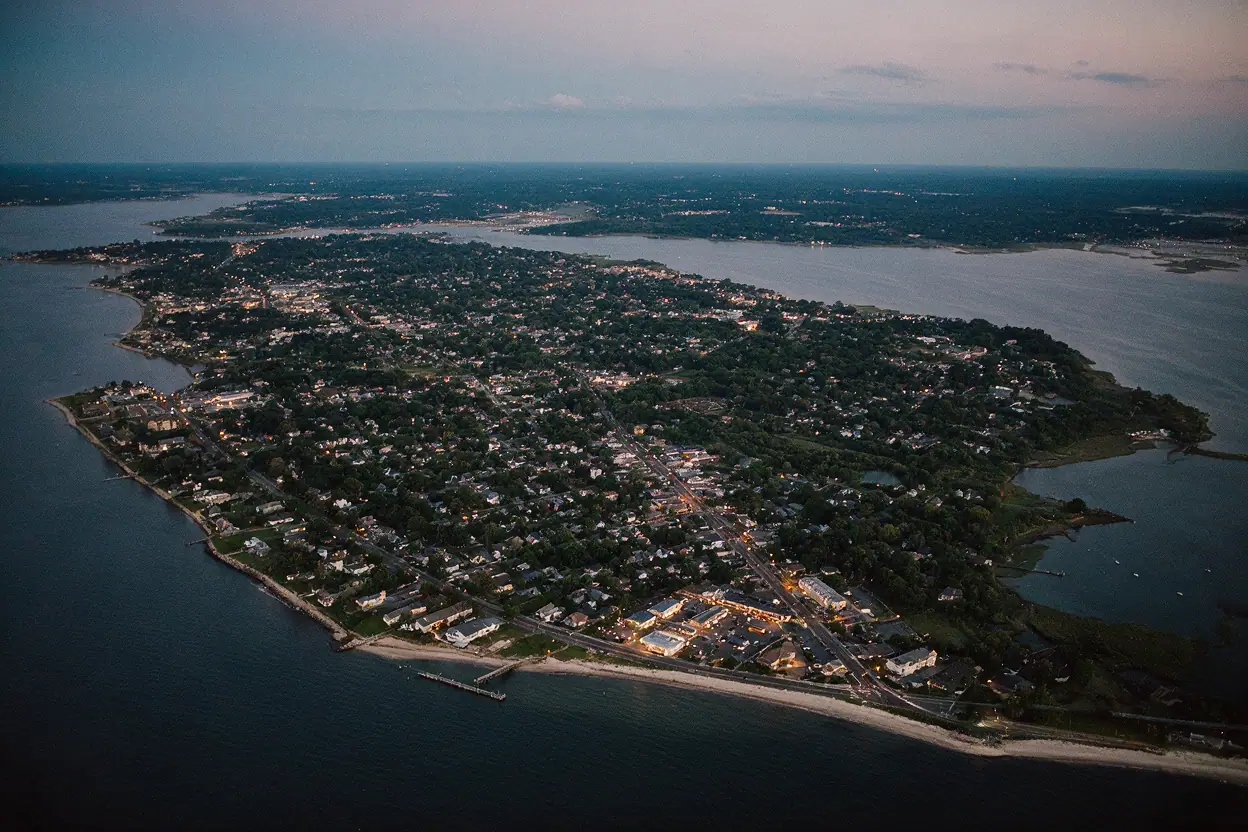
Rehab locations Long Island
Finding rehab locations Long Island begins with what is actually listed. As of 2026, SAMHSA lists 83 facilities across the area. This guide helps you narrow them down.
Choosing rehab locations on Long Island really comes down to something practical: which programs sit close enough to visit, give you the level of care you need, and take your insurance or Medicaid. The 83 SAMHSA-listed facilities here are spread across Nassau and Suffolk counties, from Brentwood to Riverhead. Listings change, and one call to a free helpline can spare you hours of clicking. Advisors trained to work with licensed providers answer our helpline; calling is free and private, with no strings attached.
Comparing rehab centers across Long Island means checking detox, residential, and outpatient services in each town. Brentwood has seven listed facilities, five with residential beds and none with detox. Hempstead lists six, two with detox and none residential. Hicksville lists five, four with detox. Smithtown lists four, one with detox. Huntington Station lists three, two residential. Huntington lists three. Riverhead lists three. Because each town's mix of services differs, the location you choose should match the care you need. If you need medical supervision for withdrawal, then a facility with detox or a nearby hospital matters more than the closest address.

Rehab locations Long Island differences
The services a Long Island rehab location offers, and whether it takes Medicaid, are often what distinguish it most. Every one of the seven towns here has at least one facility accepting Medicaid, which counts if you rely on the state Medicaid program or have thin coverage. Brentwood lists seven facilities that accept Medicaid, Hempstead six, Hicksville five, Smithtown four, Huntington Station three, Riverhead three, and Huntington two. Under parity legislation, most plans are required to cover substance use treatment much as they do medical care, though you still should confirm that a given program is in-network. Service mix varies too. Residential beds are concentrated in Brentwood and Huntington Station, while detox is more common in Hempstead and Hicksville. If you are considering residential treatment, then you will likely need to look in Brentwood or Huntington Station. If you need withdrawal management, Hempstead and Hicksville have the most detox options among these towns. Outpatient programs, including intensive outpatient, are available across Long Island but may not be listed separately for every town. When you call a facility, ask directly whether they offer the level of care you need and whether they can verify your insurance before you visit.
| Place | Count | Detox | Residential | Medicaid |
|---|---|---|---|---|
| Brentwood | 7 | 0 | 5 | 7 |
| Hempstead | 6 | 2 | 0 | 6 |
| Hicksville | 5 | 4 | 0 | 5 |
| Smithtown | 4 | 1 | 0 | 4 |
| Huntington Station | 3 | 0 | 2 | 3 |
| Huntington | 3 | 0 | 0 | 2 |
| Riverhead | 3 | 0 | 0 | 3 |

Good to know
How many rehab locations are on Long Island?
SAMHSA FindTreatment.gov lists 83 facilities across Long Island as of 2026. That count includes detox, residential, and outpatient programs across Nassau and Suffolk counties. Individual towns list fewer; Brentwood shows seven and Riverhead three. Since listings update, call the helpline or check SAMHSA for current options near you.
Does Long Island have drug and alcohol rehab centers that accept Medicaid?
Yes. In the towns covered here, every listed town has at least one facility that accepts Medicaid. Brentwood has seven Medicaid-accepting facilities, Hempstead six, and Hicksville five. If you use New York State Medicaid, ask the program whether they are enrolled and what documents they need. Coverage can vary by plan.
How does inpatient rehab on Long Island differ from outpatient care?
Inpatient or residential rehab means 24-hour care in a facility, while outpatient programs give you scheduled sessions while you keep living at home. On Long Island, residential beds are listed in Brentwood (five) and Huntington Station (two). Outpatient services, intensive outpatient among them, are easier to find. A clinician can assess which level fits you.
What is a residential treatment facility?
A residential treatment facility is a live-in program where people receive structured care, therapy, and support for substance use disorders. On Long Island, Brentwood lists five residential facilities and Huntington Station lists two among the towns covered here. Residential care may be recommended when a home environment isn't supportive of recovery or when more intensive structure is needed. A clinician can help determine if it's appropriate.
How long do people spend in rehab?
The length of rehab varies based on individual needs, the type of program, and progress. There is no fixed duration. The 83 listed facilities on Long Island offer different program lengths, from short-term detox to longer residential stays and outpatient care. Ask each facility about their typical program duration and what insurance covers.
Does Long Island have a drug problem?
Problems with substance use, including opioid and alcohol misuse, have touched Long Island as they have many places. Throughout Nassau and Suffolk counties, the 83 SAMHSA-listed facilities provide a range of treatment options. If you or someone you know is having a hard time, calling the free helpline can link you with local resources and guidance.
Find rehab locations Long Island
Call the free, private helpline and an advisor can help you compare the 83 listed facilities by location, service, and payment option. Nothing is required of you. If you don't know where to begin, keep your insurance card and a list of your needs nearby. The advisor can check which programs accept your coverage and whether detox or residential care exists close by. A call is a practical step, not a commitment.